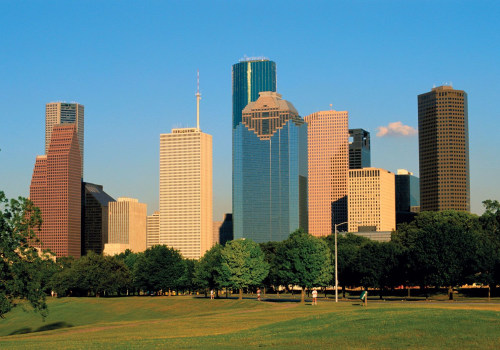
Houston is one of the fastest-growing metropolitan areas in the United States, attracting new residents from across Texas, other states, and countries around the world. Discussions about this growth often focus on housing, economic development, and infrastructure expansion. However, a less frequently examined consequence of population growth is its influence on political priorities. As new residents settle into Houston and its surrounding communities, they bring different experiences, expectations, and concerns that can gradually reshape public discussions and policy agendas. While these changes may not always be immediately visible, they play a significant role in determining which issues receive attention from elected officials, civic organizations, and community leaders.
Population growth affects political priorities because public policy is ultimately shaped by the needs and interests of the people who live within a community. As demographics evolve, local governments must adapt to changing expectations regarding transportation, public safety, housing affordability, education, healthcare access, environmental concerns, and economic opportunity. The arrival of new residents often introduces fresh perspectives that influence how these issues are discussed and addressed.
Shifting Community Needs and Expectations
New residents frequently arrive with experiences shaped by different cities, states, and regions. These experiences can influence what they view as important public policy concerns. For example, individuals relocating from densely populated urban areas may prioritize public transportation improvements, while those moving from suburban communities may place greater emphasis on road infrastructure, parks, and family-oriented services.
As Houston continues to grow, local leaders must balance the priorities of long-time residents with those of newer arrivals. This balancing act can lead to evolving political discussions that reflect a broader range of perspectives. Issues that were once considered secondary may become more prominent as population demographics shift. At the same time, established concerns remain important, creating a dynamic environment where competing priorities must be carefully managed.
The diversity of Houston's population further contributes to this evolution. New residents often add to the city's cultural, economic, and social diversity, resulting in a wider range of viewpoints being represented in public discussions. This diversity can encourage more comprehensive policy debates and lead to increased attention on issues affecting different communities throughout the region.
Growth, Infrastructure, and Resource Allocation
One of the most direct impacts of population influxes involves infrastructure planning and resource distribution. As more people move into Houston, demand increases for public services, transportation systems, utilities, schools, and healthcare facilities. Political leaders are often required to make difficult decisions about how limited resources should be allocated to address these growing needs.
The movement of residents into expanding neighborhoods can also influence local political priorities at the district level. Communities experiencing rapid growth may advocate for additional public investment, roadway improvements, emergency services, or recreational facilities. These requests often shape budget discussions and long-term planning efforts.
Organizations involved in relocation services, including Mountain Movers, witness population movement firsthand as individuals and families establish new lives in growing areas. While moving companies do not influence public policy directly, the relocation trends they help facilitate contribute to demographic shifts that eventually affect political conversations and planning decisions.
Long-Term Effects on Civic Engagement
New resident influxes can also influence political participation. As people become invested in their new communities, many engage with local issues, attend public meetings, participate in elections, and support community initiatives. Increased civic participation can introduce new ideas and encourage policymakers to address a broader range of concerns.
Over time, these contributions help shape the political identity of a city. Community priorities evolve as populations change, creating a political landscape that reflects current demographics rather than historical patterns alone.
Looking Toward Houston’s Future
The impact of new resident influxes on Houston’s political priorities is often overlooked, yet it remains an important factor in the city's development. Every new resident brings experiences, expectations, and perspectives that contribute to public discourse. As Houston continues to grow, its political priorities will likely continue evolving in response to demographic change, infrastructure demands, and shifting community needs. Understanding this relationship provides valuable insight into how growing cities adapt and how population trends help shape the decisions that influence everyday life.